


Help keep the good days coming1,2
The first and only approved treatment to help cats gain & maintain weight long term1 *
Meet Eluracat™, your new cornerstone to supporting cats with chronic medical conditions.

Mimics ghrelin, the endogenous hunger hormone3
Dual action increases food intake and stimulates weight gain1

Oral solution suitable for long-term use1 *

Once daily liquid with vanilla flavouring and low dosing volume
Hear from feline medicine specialist, Dr Sarah Caney BVSc PhD DSAM(Feline) MRCVS:
How Eluracat works
Capromorelin is the only selective ghrelin receptor agnoist approved in veterinary medicine. Eluracat is administered orally and its dual action increases food intake and stimulates weight gain:
- It travels systematically to bind to receptors in the hypothalamus to stimulate appetite
- It binds to receptors in the pituitary to simulate secretion of growth hormone (GH)
- Increased GH stimulates the release of IGF-1 from the liver
Dual action:
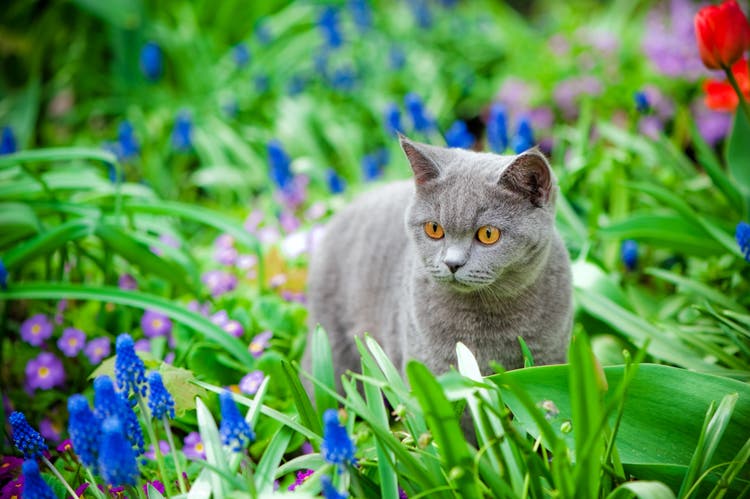
1) Metabolic changes that stimulate weight gain
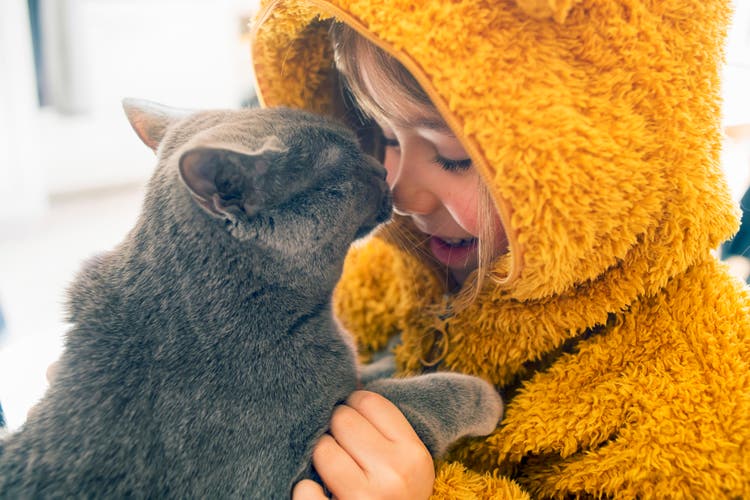
2) Increased food intake
The impact of Eluracat
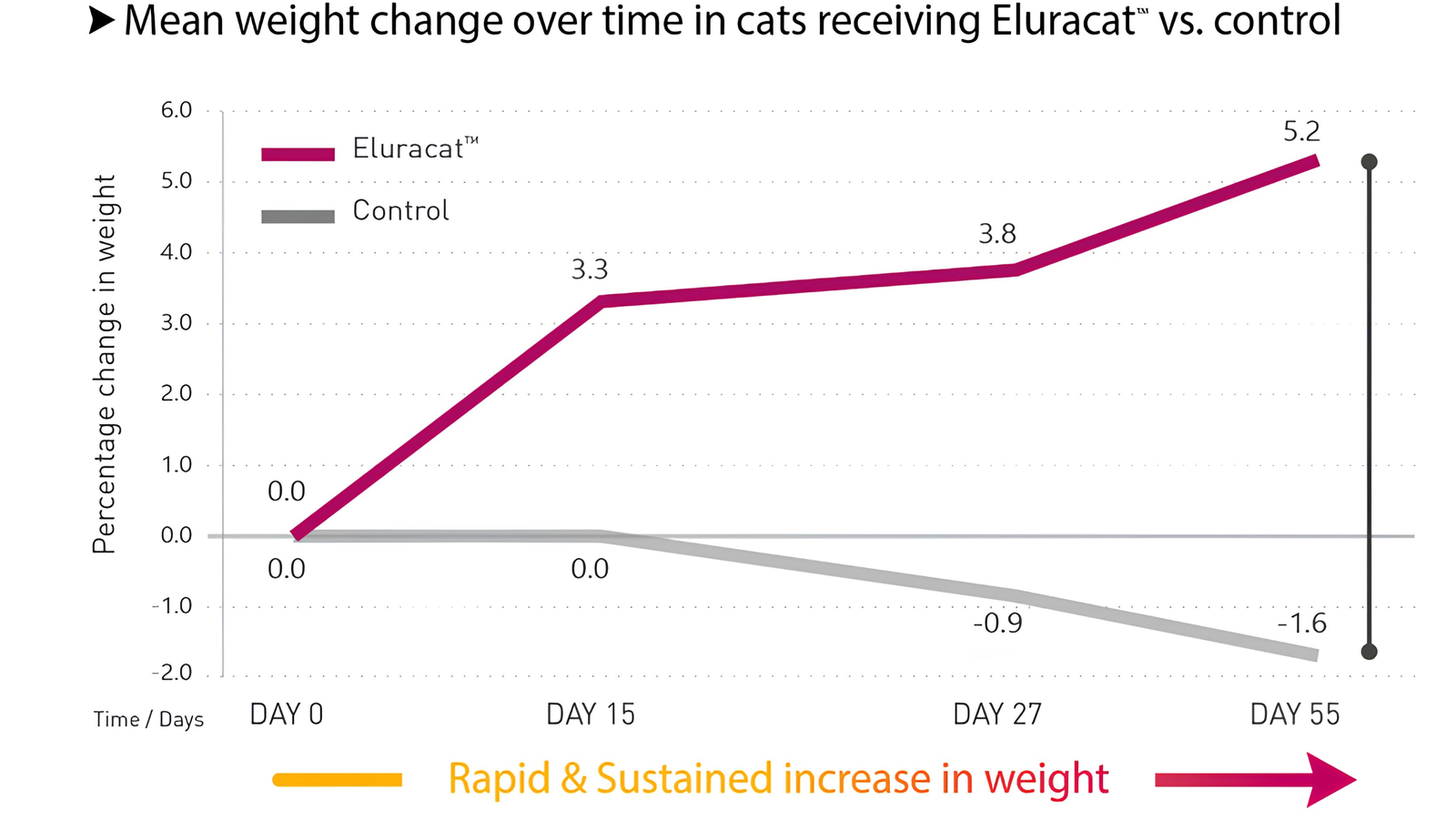
Results from a randomised placebo-controlled field study3 in 176 client-owned cats.
Over 8 out of 10 cats prescribed Eluracat gained weight.
Cats treated with Eluract gained significantly more weight vs controls by just Day 15, with difference in weight between groups increasing by Day 55:
Discussing Eluracat with owners
Eluracat restores a cat's ability to gain and maintain weight3,7.

Hypersalivation
The most common side effect seen with Eluracat is mild hypersalivation. This resolves within minutes of initial dosing1 with no negative effect on efficacy as weight still increased by an average of 6% in cases with hypersalivation3.

Suitable for long-term use*
Eluracat is well tolerated in cats with CKD & other chronic conditions1,3* It has also been used alongside other common medications for CKD & chronic conditions1,9***
To support owners, you can request printed post prescription leaflets here.
Tackling weight loss early

Nearly 1 in 5 cats seen in veterinary consultations are affected by unintended weight loss.4 It can be an early indicator of chronic diseases like chronic kidney disease (CKD), cancer, hyperthyroidism, chronic gastrointestinal disease and congestive heart failure.5,6
If unintended weight loss is not addressed, there can be gradual but significant effects on strength, immune function, wound healing, quality of life and survival time of cats5. Weight loss is also distressing for owners and is a major contributing factor to a decision of euthanasia as pet owners may perceive changes in appetite as evidence of suffering2.
Eluracat can be prescribed at the first sign of weight loss.
Eluracat is indicated for body weight gain in cats experiencing poor appetite or unintended weight loss resulting from chronic medical conditions
IRIS guidelines recommend capromorelin for the treatment of weight loss in cats with CKD8**.
Eluracat, a unique solution to help you manage weight loss in chronic conditions such as CKD
In cats with CKD, weight loss is common and ranges from 42% to 82%2. Additionally, these cats may also have a range of other concurrent conditions (e.g. anemia) that may require treatment.
Managing chronic kidney disease in cats often requires a holistic approach. See how Elanco can help with our solutions for cats with CKD:
- Eluracat Summary of Product Characteristics
- Freeman LM et al. J Vet Intern Med 2016;30:1661-66
- Wofford JA et al.J Fel Med Surg 2025;27:1098612X251379924
- Elanco study: Elura quantitative pricing 2023
- Freeman, L.M. J Vet Intern Med 2012, pp. 3–17
- Peterson ME et al. J Vet Intern Med. 2016 Nov;30(6):1780-1789.
- Brusach K et al. Vet Sci 2023;10:464
- IRIS Treatment Recommendations for CKD in Cats 2023. https://www.iris-kidney.com/iris-guidelines-1. Accessed March 2026.
- Elanco study AT-002-FCL-16-004
* As safety evaluations were limited to 90 days, use beyond this should be based on a risk:benefit analysis by the prescribing vet1
** for the treatment of weight loss in cats with stage 2 and above CKD8
*** Please refer to SPC section 3.8 for more information
